Mystery shopping: how chains run it, with a checklist
Mystery shopping for branch chains in the Philippines: what a mystery shopper checks, a scored checklist to copy, and what Google reviews catch for free.
Mapkita Team9 min read

Key takeaways
- A mystery shopper visits as an ordinary customer and scores the branch against your own standards, so the checklist matters more than the shopper.
- Score each branch out of 100 on the same form, at different times of day, and judge the trend over three visits, not one.
- Google reviews work as a free mystery shopper at every branch, every day. They catch what customers notice and miss what customers can't see.
- Never ask a mystery shopper to post a Google review. A paid or contracted reviewer breaks Google's policy.
What is mystery shopping?
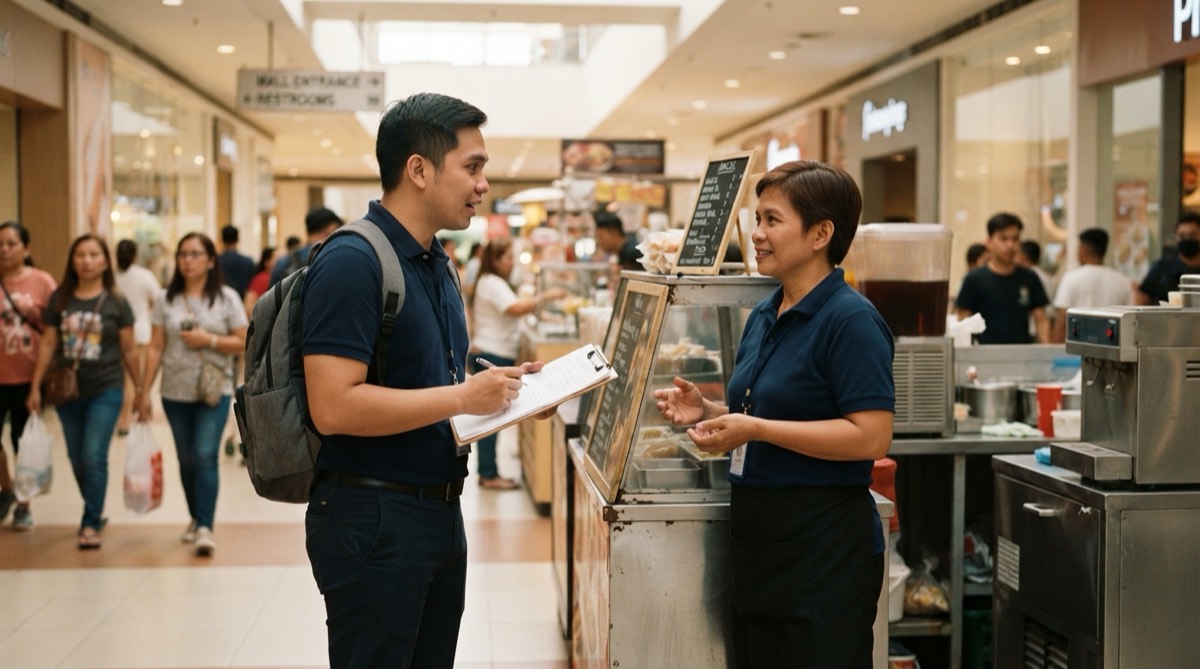
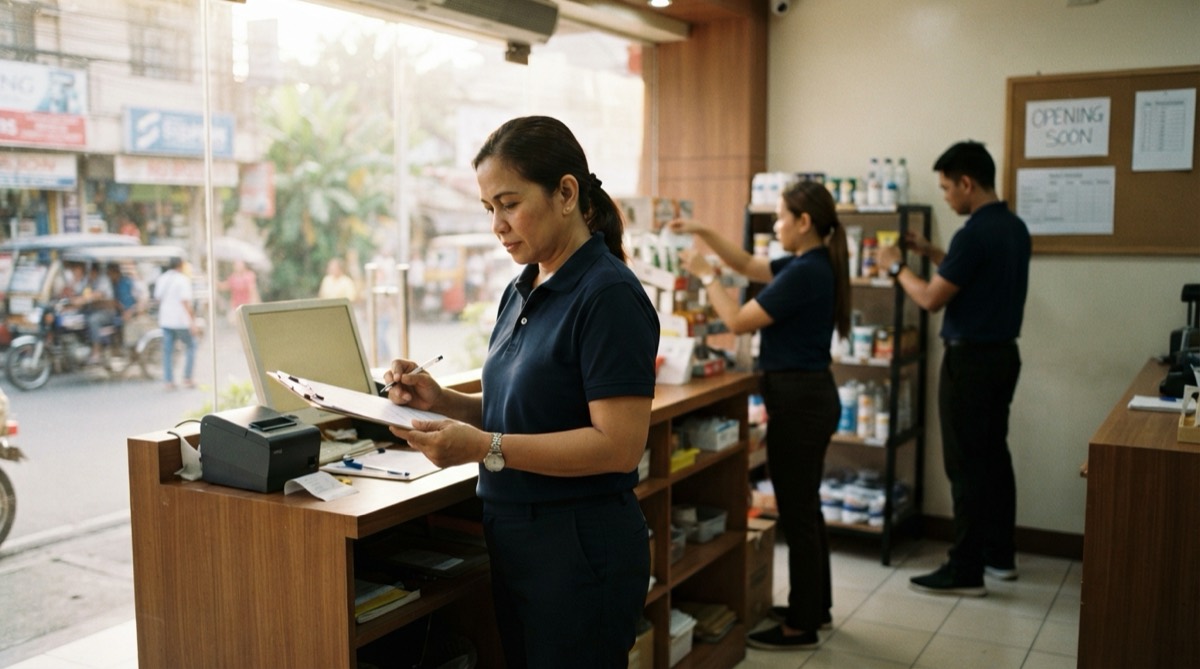
Mystery shopping is a way to see a branch the way a customer sees it. A person who looks like any other customer walks in, orders, pays, maybe asks a question or makes a small complaint, and then fills in a report against a checklist. The trade body for the industry, MSPA Americas, describes the shopper as someone whose assignment is "to visit a location and secretly collect data" (MSPA Americas shopper FAQ).
Chains use it because head office can't be everywhere. The owner sees the flagship on a weekday morning. A mystery shopper sees branch 14 at 7 pm on a Sunday, when the senior crew is off and the line is out the door. That gap between the standard in the operations manual and what happens at the counter is what the program measures. In a franchise, it is also how the franchisor checks that every branch keeps the standard; see how franchising works.
It works for food, coffee, salons, clinics, pharmacies and retail. It also works by phone and online: a shopper can call to book a haircut, or send a message to a branch's Facebook Page and time the reply.
What does a mystery shopper check?
A good form follows the customer's path through the branch, from the street to the moment they leave. A typical form scores seven areas.
- Outside and entrance: is the sign lit, are the posted hours the same as the hours on Google, is the entrance clean and clear?
- Greeting: was the shopper greeted, how fast, and by whom?
- Order and payment: was the menu or price list clear, was the order repeated back, was the change and receipt correct, were the advertised payment options accepted?
- Wait time: minutes from paying to receiving the order, or from the booked time to the start of the service.
- Product or service: does it match the brand standard for taste, temperature, portion, look, or the haircut asked for?
- Cleanliness: tables, floor, counter, restroom, uniforms, and anything the customer can see behind the counter.
- Closing: was the shopper thanked and invited back, and was a complaint handled calmly if the script called for one?
How chains run a mystery shopping program
The shopper is the easy part. The work is in deciding what you measure and what happens after the report comes in. A simple program for a chain of 5 to 50 branches looks like this.
- Start from your own standards. Every line on the form should trace back to the operations manual or the training. If the manual says "greet within 10 seconds", the form asks for the seconds.
- Weight the form. Product and wait time usually deserve more points than the colour of the tissue in the restroom. Total it to 100 so scores compare across branches.
- Set a rhythm. One visit per branch per month is a common starting point. Rotate the day and time so each branch is seen at opening, lunch, the afternoon lull and closing over a quarter.
- Choose who shops. An agency brings strangers and a written report. In-house shoppers are cheaper, but staff soon learn their faces.
- Ask for evidence. The report should come in within 24 hours with the receipt, the times written down during the visit and the shopper's own words.
- Share it fast. The store manager should see the report within a week, with the area manager, and agree on two or three fixes with a date for each.
- Re-shop the problem. If a branch fails on wait time, the next visit goes at the same hour to check the fix held.
- Judge the trend. One bad visit can be one bad day. Three low scores in a row is a pattern worth a visit from the area manager.
Mystery shopper checklist template (copy it)
Copy this into a Google Form or print it on one page. Change the standards in brackets to your own. The points add up to 100.
- Visit details (no points): branch, date, time in and time out, day of week, what was ordered or booked, amount paid, receipt number.
- Outside and entrance (10 points): sign lit and clean (3); hours posted and the same as Google (3); entrance clean and unblocked (4).
- Greeting (10 points): greeted within [10] seconds (5); eye contact and a friendly line, such as "Good afternoon po, welcome!" (5).
- Order and payment (15 points): menu or prices clear (3); order repeated back (4); correct change and receipt (4); payment options as advertised (4).
- Wait time (15 points): served within [5] minutes of paying, or seen within [10] minutes of the booked time (10); told about any delay (5).
- Product or service (25 points): matches the brand standard for taste, temperature and portion, or the service asked for (15); looks like the menu photo or the brand's standard (5); packaging or tools clean and complete (5).
- Cleanliness (15 points): tables and counter (5); floor and bins (5); restroom or waiting area (5).
- Closing (10 points): thanked and invited back (5); a staged complaint handled calmly with a fix offered (5).
- Open questions (no points): what was the best moment of the visit? What one thing would stop you coming back? Would you return, yes or no, and why?
Mystery shopper questions for restaurants, salons and clinics
The seven areas stay the same. The questions inside them change with the business.
- Restaurant or fast food: was the food hot, was the order complete, was rice or sauce refilled when asked, how long did the dine-in order take at peak hour?
- Coffee shop or milk tea: did the drink match the recipe and the sugar level asked for, was the name called clearly, were seats and Wi-Fi as shown in the branch photos?
- Salon, spa or barbershop: how fast was a booking message answered, was the price told before the service, were tools sanitised in front of the customer, did the stylist check before cutting more?
- Clinic or dental: how long after the appointment time was the patient seen, was the procedure explained, was the price clear, was personal information asked for quietly at the counter?
- Pharmacy: was the medicine in stock, did staff ask about the prescription, did they explain the dose?
Google reviews: a free mystery shopper at every branch, every day
A paid shopper sees a branch once a month. Google reviews come in every day, from real customers, at every hour the branch is open. Read them branch by branch, from one account that manages every location of the business, and they behave like a mystery shopping program you didn't have to pay for.
Reviews catch the things customers notice: long waits, wrong orders, cold food, a rude moment, a dirty restroom, hours on Google that don't match the door. They also catch what nobody put on the form, such as a broken aircon or a parking problem. And they show timing: three complaints about Sunday evenings in a month tell you when to send the shopper.
They miss a lot too. Most customers never write one, and the ones who do are often very happy or very angry. Reviews can't check the back of house, the cash count or whether staff follow the script. Small branches get few of them. In a Mapkita sample of 1,646 Metro Manila branches of 35 chain brands on Google Maps (October 2026), 36% of branches had fewer than 10 reviews. Branches with under 20 reviews had a median rating of 3.7, against 4.2 for branches with 100 or more. With so few reviews, a handful of angry customers sets the rating. The full numbers are in our study of franchise branch ratings.
So use the two together. Each week, read the new reviews for every branch and tag each complaint with one of the seven areas on your form. Where the reviews point, send the shopper. Where the shopper finds a problem, check whether the reviews agree. A weekly branch scorecard puts the rating, new reviews, unanswered reviews and the mystery shop score on one page. Answer the reviews too: a customer who complained and got a calm reply is more useful than a report nobody acts on. Our suggestion is to answer 1 to 3 star reviews within one working day and 4 to 5 star reviews within 3 days. If the same complaint comes up twice in a week at one branch, it goes to the area manager; the full ladder is in our review response guidelines. The free review reply writer drafts one in English or Taglish.
One rule matters here. Never ask a mystery shopper, or anyone you pay or contract, to post a Google review of the branch. Google's policy removes reviews "based on a conflict of interest", which it says may include "a contractual or consultory relationship". The report is for you, not for Maps.
Mystery shopper jobs in the Philippines: legit or scam?
If you landed here looking for mystery shopper work: the job is real. Shoppers are usually independent contractors paid per visit. Pay and reimbursement vary, so get both in writing before the visit. The work is a visit, a careful report within hours, and the receipt.
Scams use the same name. Western Union's guide to mystery shopping scams, written in Tagalog, says a legitimate company will never ask you to pay to join. It also warns about pay that is too good to be true and pressure to decide right away. MSPA Americas says on its scam alerts page that it does not recruit shoppers itself, and that real opportunities come from its member companies.
- Walk away if you are asked to pay a fee for training, a kit or registration.
- Walk away if you are asked to buy gift cards, deposit a check and send part of it back, or share an e-wallet or bank login.
- Check the company: a real website, a business email, past shoppers you can find, and a clear agreement on pay and reimbursement.
- A good shopper notes times without being seen, writes facts rather than opinions ("waited 14 minutes", not "slow"), and submits on time.
Frequently asked
- How does mystery shopping work?
- A business or an agency sends a person who looks like a normal customer to a branch with a checklist. The shopper visits, buys or books something, notes times and details, and sends a scored report with the receipt. The business shares the report with the branch and fixes what failed.
- Is mystery shopping legit in the Philippines?
- Yes, chains and agencies do hire mystery shoppers in the Philippines. Scams copy the name, so never pay to join, never buy gift cards or forward money for a company, and check that the company has a real website, a business email and a written agreement.
- Do staff know about mystery shoppers?
- Many chains tell staff that the branch is mystery shopped, but not when. Knowing the program exists keeps the standard up every day, which is the point. Use the reports to fix the system and coach the team, and judge a branch on several visits, not one.
- How often should a branch be mystery shopped?
- Once a month per branch is a common starting point. Rotate the day and time so each branch is seen at opening, peak hours and closing over a quarter, and send an extra visit after a fix to check it held.
- Can a mystery shopper write a Google review of the branch?
- No. Google removes reviews based on a conflict of interest, including a contractual relationship with the business, and reviews that were paid for. Keep the mystery shopper's report private and let real customers write the reviews.
Let Mapkita do this for you
Mapkita keeps your Google page right, drafts every review reply and asks you before anything goes public. Start with a free check.